
What Is Fire-Retardant Material? A Simple Guide to Flame-Retardant Standards for Advertising Banners | Bannershop Flame-Retardant Products
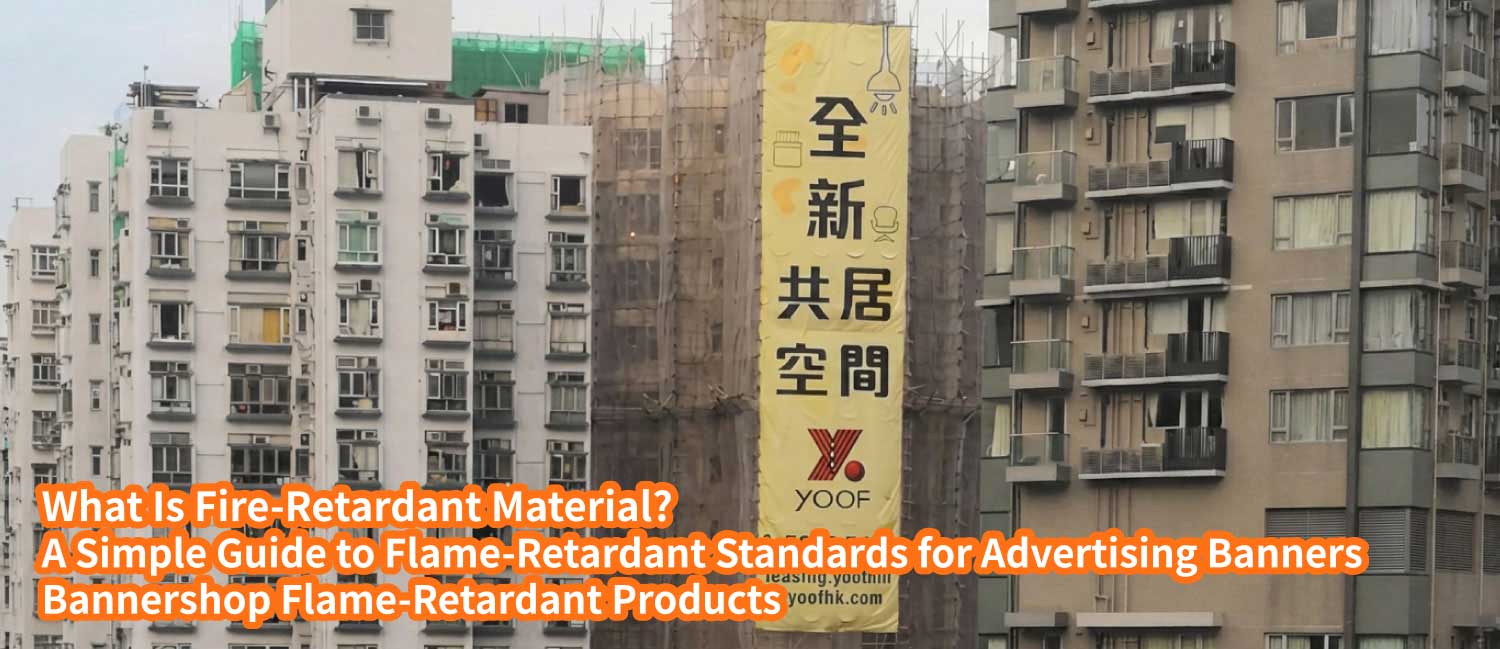
In recent years, commercial venues, construction projects, exhibition organizers and event teams have placed much greater emphasis on the fire-retardant performance of display materials. Whether it's shopping mall decorations, site hoardings, exhibition backdrops or large-scale event banners, most venues now require materials to be flame-retardant or to meet specific fire safety standards.
To help clients better understand the requirements, this article explains the common flame-retardant standards for advertising materials and introduces the current flame-retardant options available at Bannershop.
1. What Exactly Is "Flame-Retardant" Material?
Flame-retardant (Fire Retardant) material does not mean "completely non-combustible". Its real purpose is to slow down the spread of fire and buy precious escape time by:
- Slowing the speed at which flames travel across the surface;
- Reducing burning drips that could ignite objects below;
- Allowing the material to self-extinguish quickly once the fire source is removed.
In short, flame-retardant materials delay fire development and give people more time to react and evacuate. Many venues (malls, hotels, construction sites, exhibition halls, etc.) now only allow materials that have passed recognized flame-retardant tests.
2. Bannershop Flame-Retardant Product Range

1. Gigaflex B1 Banner (Ideal for Indoor & Construction Use)
Gigaflex B1 Banner is a high-performance canvas that meets international fire safety standards. It is officially recognized by the Hong Kong Buildings Department as an approved construction material for submissions.
- Smooth surface with excellent colour locking and fine printing detail;
- Widely used in hotels, construction sites, stage backdrops (music festivals), mall façades, building mesh netting and any venue requiring certified flame-retardant material.
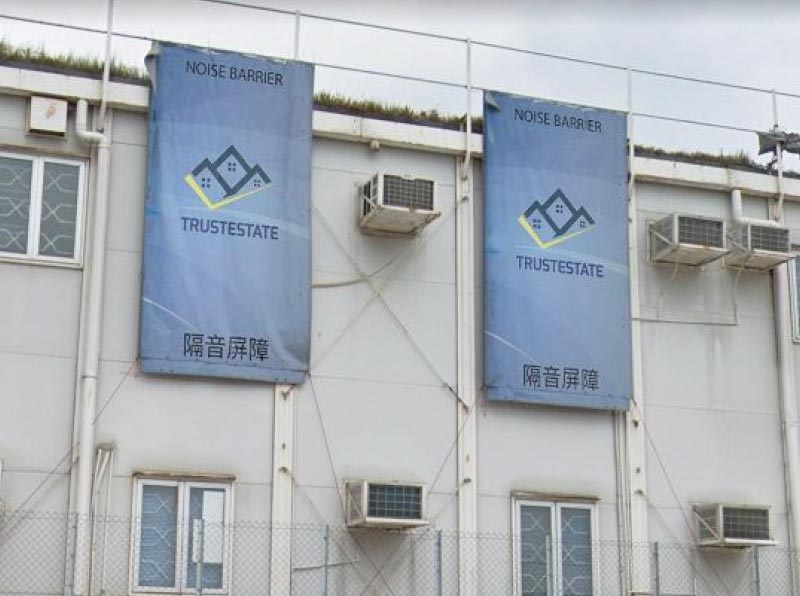
2. Noise-Barrier Canvas (B1 Flame-Retardant + Sound Insulation)
A professional material that combines effective noise reduction with B1-grade flame retardancy. Its high-density fibre structure reduces environmental noise while passing strict international fire tests.
- Construction site perimeter fencing & noise barriers;
- Temporary hoardings in malls or sites needing both flame retardancy and soundproofing;
- Indoor noise screens for renovation works;
- Events/exhibitions requiring certified flame-retardant and acoustic solutions.

3. 3M PII Banner (Meets Government & Institutional Fire Standards)
Many government departments and large corporations require banners to pass official fire tests and provide test reports upon project completion. 3M PII banner satisfies these requirements and comes with internationally recognized flame-retardant certification.
- Genuine 3M Substrate;
- Accompanied by internationally recognized flame-retardant certificates;
- Ideal for hotel, exhibitions, shopping malls, and any project with stringent material specifications
3. Common International Flame-Retardant Standards
| Region / Standard | Main Test Objects | Key Points & Typical Applications |
|---|---|---|
| USA — NFPA 701 | Fabrics, films, banners, drapes | Tests flame propagation. Passing materials self-extinguish quickly after the flame source is removed. Widely used in public venues. |
| Germany — DIN 4102-B1 | Fabrics, canvases, coverings | B1 is the higher grade (difficult to ignite). Commonly required for building interiors, site hoardings and exhibition venues. |
| UK — BS 5867 | Curtains, drapes, fabrics, building coverings | Originally for curtains, now widely adopted in Hong Kong and overseas for building mesh and banners. Buildings Department requires Type B for building mesh: material must self-extinguish within approximately 2 seconds after flame removal.
Three levels:
|
4. How Are Flame-Retardant Tests Actually Conducted?
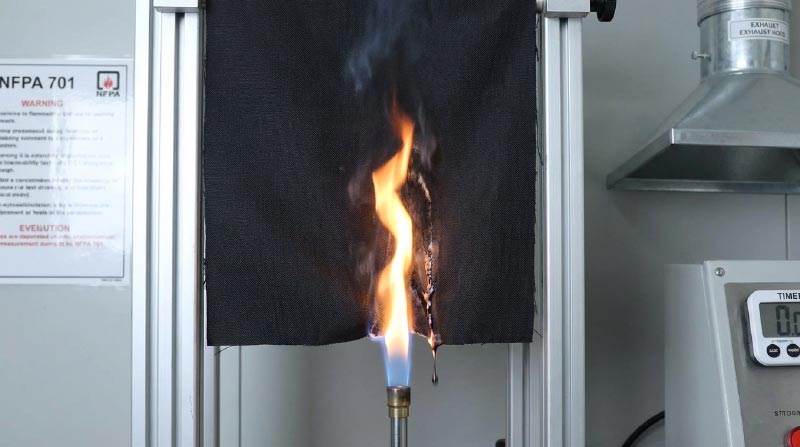
Taking NFPA 701 as an example, a controlled flame is applied to the material and the following are measured:
- How far the flame spreads;
- How long burning continues;
- Whether burning fragments drip down;
- Whether the material self-extinguishes after the flame is removed.
The focus is on controlling fire spread, not preventing ignition entirely. Flame-retardant materials may still catch fire, but they burn much more slowly and are far less likely to cause rapid vertical fire spread.
5. Why Has Demand for Flame-Retardant Materials Increased So Much?
In recent years, safety requirements have risen across the board:
- Venue operators mandate NFPA 701 / B1 / BS 5867 Type B certification;
- Exhibitions and events require flame-retardant certificates for approval;
- Construction hoardings must comply with Buildings Department and safety regulations;
- Clients want to minimise risk in unexpected situations.
As a result, flame-retardant material is no longer an "optional extra" — it has become a standard requirement for most projects.

6. Flame-Retardant Materials Significantly Improve Display Safety
Large banners and mesh netting hung high on shopping malls, exhibition venues, construction sites or building façades are now everyday sights. When a fire source contacts these materials, whether they self-extinguish within seconds and whether they produce burning drips directly determines if a fire escalates rapidly.
All PVC and polyester-based materials are inherently combustible. Flame-retardant treatment does not eliminate ignition risk, but it dramatically slows flame spread. Those few extra seconds have, in real incidents, allowed fire-retardant banners to self-extinguish before firefighters arrived — effectively acting as an extra layer of protection.
Safety is never just a selling point; it is an industry responsibility.
Bannershop offers a wide range of certified flame-retardant advertising materials to help clients meet venue and project safety requirements. If you need detailed test reports or certificates for your project, feel free to request them from our team.